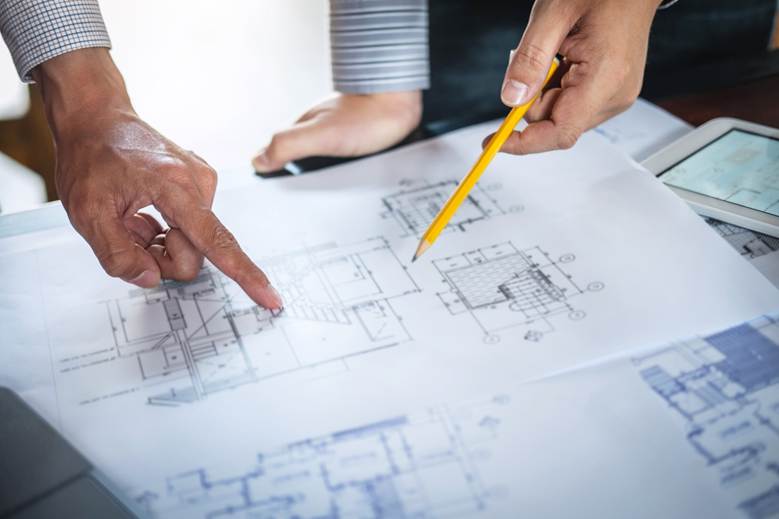
Architectural forensic investigations are a crucial element in understanding and addressing structural failures. These investigations delve into the science and art of uncovering what went wrong when buildings or infrastructure do not perform as expected. They aim to pinpoint the root causes of issues that may range from minor aesthetic defects to catastrophic structural collapses. David DeQuattro, a prominent expert in the field, emphasizes the importance of a meticulous, evidence-based approach to ensure that investigations not only reveal the truth but also offer actionable solutions to prevent future occurrences.
Understanding Structural Failures
Structural failures occur when a building or component cannot support the loads or stresses placed upon it, leading to a loss of functionality or, in severe cases, physical collapse. These failures are often the result of a combination of factors, such as design flaws, material defects, construction errors, environmental conditions, or inadequate maintenance. Each failure tells a story, and architectural forensic investigations are the process of piecing together that narrative to identify the underlying issues.
The importance of these investigations extends beyond the immediate repair of damages. By uncovering the causes of failure, forensic architects contribute to improving design practices, enhancing construction standards, and refining building codes. This helps protect public safety and ensures that lessons learned are applied to future projects.
The Process of Architectural Forensic Investigations
Architectural forensic investigations involve a methodical process that begins with a comprehensive assessment of the failure. This typically includes site inspections, document reviews, and interviews with relevant stakeholders. The goal is to collect as much information as possible to create a detailed picture of the circumstances leading to the issue.
Site inspections are often the first step in the process. Investigators closely examine the affected areas, looking for visible signs of damage or distress, such as cracks, deformations, or discoloration. These observations are documented with photographs, sketches, and detailed notes, providing a record for analysis.
In addition to physical inspections, investigators review construction documents, including design plans, material specifications, and construction logs. These documents provide insight into the intent behind the project and any potential deviations from that intent during construction. Interviews with architects, engineers, contractors, and maintenance personnel also offer valuable perspectives on the factors that may have contributed to the failure.
Scientific Analysis and Testing
Once the initial data collection is complete, the investigation moves into the analysis phase. Here, scientific principles and advanced testing methods are applied to identify the causes of failure. Material testing is a common component of this phase, as it helps determine whether the materials used in construction met the required specifications. For example, concrete cores may be tested for compressive strength, or steel samples may be analyzed for chemical composition.
Structural analysis is another critical aspect of forensic investigations. Using computer modeling and simulations, investigators recreate the conditions under which the failure occurred. This allows them to test various hypotheses and identify the most likely scenarios that led to the observed damage.
Non-destructive testing methods, such as ground-penetrating radar or ultrasonic scanning, are often employed to investigate hidden components of a structure without causing further damage. These technologies provide valuable insights into issues such as internal voids, rebar placement, or water infiltration.
Common Causes of Structural Failures
While every investigation is unique, certain patterns frequently emerge as contributors to structural failures. Design errors, for instance, can result in insufficient load-bearing capacity or improper detailing. Material defects, whether due to manufacturing flaws or degradation over time, are another common culprit. Construction errors, such as poor workmanship or deviations from design plans, can also significantly impact a structure’s performance.
Environmental factors, including extreme weather events, seismic activity, or prolonged exposure to moisture, often exacerbate existing vulnerabilities. In many cases, a combination of these factors creates a cascading effect that leads to failure. Identifying the interplay between these elements is a key aspect of architectural forensic investigations.
The Role of Expertise in Forensic Investigations
The success of an architectural forensic investigation relies heavily on the expertise of the professionals conducting it. Forensic architects and engineers must possess a deep understanding of building systems, materials science, and structural behavior. They must also be skilled communicators, capable of presenting their findings in a clear and concise manner, whether to clients, courts, or regulatory bodies.
Collaboration is another vital component of the investigative process. Forensic investigations often involve multidisciplinary teams that include structural engineers, material scientists, and environmental specialists. This collaborative approach ensures that all aspects of the failure are thoroughly examined and that the findings are robust and comprehensive.
Learning from Failure
One of the most important outcomes of architectural forensic investigations is the opportunity to learn from failure. Each investigation provides valuable insights that can be applied to future projects, improving the safety, durability, and sustainability of the built environment. By identifying the root causes of structural failures, forensic investigations contribute to the development of more resilient design practices and construction methods.
These lessons often lead to changes in industry standards and building codes, ensuring that the mistakes of the past are not repeated. For example, high-profile failures, such as the collapse of the Hyatt Regency walkway or the Champlain Towers South condominium, have prompted significant changes in engineering practices and regulatory oversight.
Preventing Future Failures
While the primary focus of architectural forensic investigations is understanding past failures, their ultimate goal is prevention. By addressing the root causes of failure, these investigations provide valuable guidance for improving design, construction, and maintenance practices. This proactive approach helps reduce the likelihood of future incidents and ensures the safety and reliability of the built environment.
Regular inspections and maintenance are also essential for preventing failures. Buildings are dynamic systems that require ongoing care to perform as intended. Forensic investigations often reveal that neglecting routine maintenance can exacerbate minor issues, leading to significant problems over time.
The Broader Impact of Forensic Investigations
Architectural forensic investigations play a vital role in enhancing public safety and advancing the field of architecture and engineering. By uncovering the causes of structural failures, these investigations contribute to a deeper understanding of the factors that influence building performance. They also provide a foundation for continuous improvement, driving innovation and resilience in the built environment.
As the complexity of modern buildings increases, the importance of forensic investigations continues to grow. Advances in materials, construction techniques, and environmental considerations present new challenges and opportunities for forensic architects and engineers. By embracing these challenges, the field of architectural forensics remains at the forefront of ensuring the safety and integrity of our built environment.
In conclusion, architectural forensic investigations are much more than a reactive measure to address failures. They are a proactive tool for learning, prevention, and improvement, ensuring that our buildings stand strong and serve their intended purposes for generations to come.